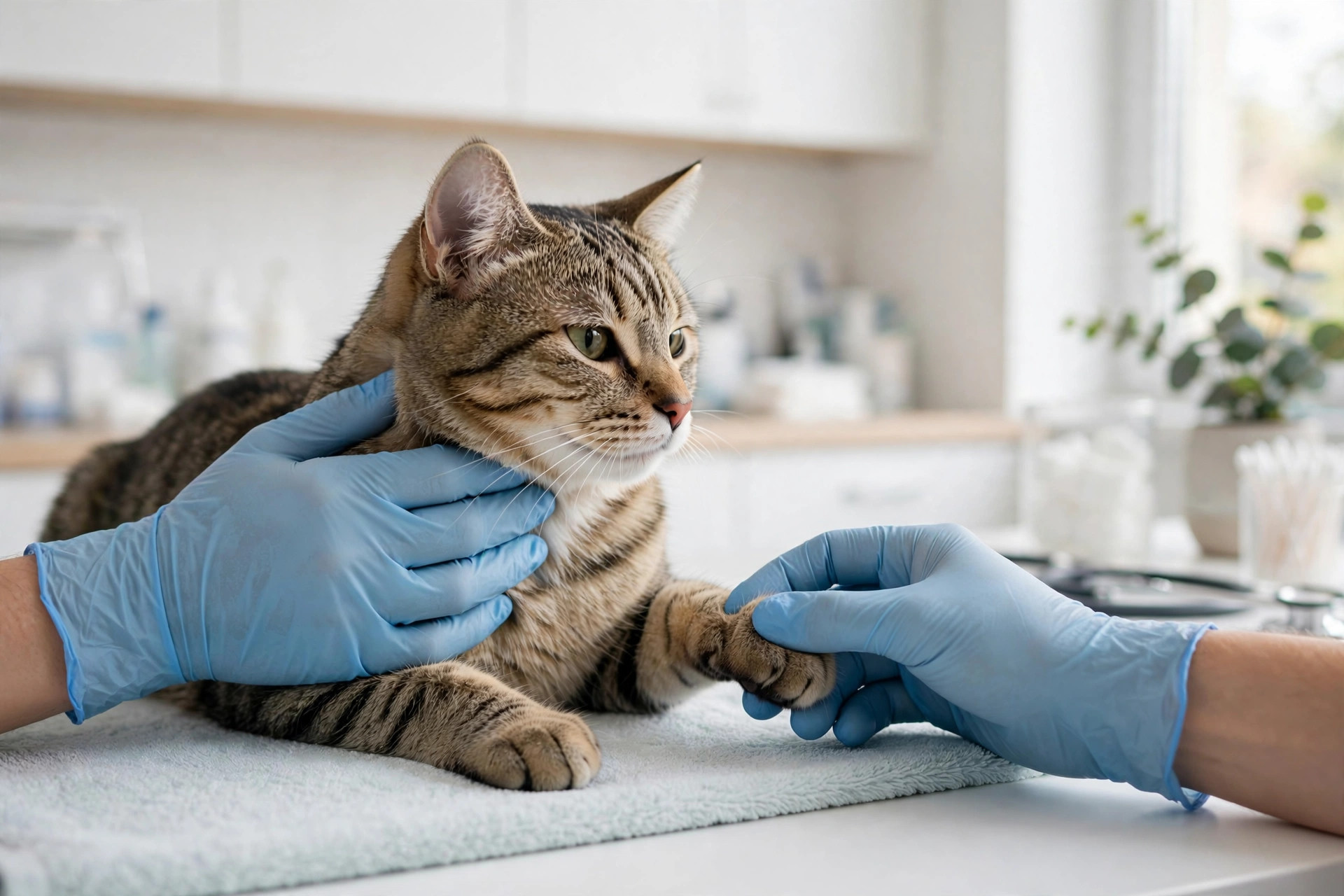
Getting a cat neutered typically costs between $50 and $200 at a low-cost clinic or shelter program, and between $200 and $500+ at a private veterinarian. Male cat neutering is usually cheaper than female cat spaying, and the final price depends on your location, the type of facility, and whether extra services like vaccinations or bloodwork are included. 🐱
Key Takeaways
- Average cat neutering cost: $50-$200 at clinics, $200-$500+ at private vets.
- Male cats cost less to neuter than females cost to spay (simpler surgery).
- Low-cost spay/neuter programs can cut the price to as little as $25-$75.
- Quotes usually cover anesthesia, surgery, and basic pain medication.
- Aftercare is cheap – an e-collar and follow-up usually add $0-$50.
1. Average Cost to Neuter a Cat
So, what should you actually expect to pay? Here is the realistic breakdown most cat owners see in 2026:
Low-cost clinics and shelter programs: $50-$150 for male cats. These programs are often subsidized by donations or grants, which is why they can charge so much less.
Private veterinary clinics: $200-$500 for male cats. This is the most common route, and the price varies a lot by region – big cities cost more than small towns.
Specialty or emergency vets: $400-$600+. This usually happens when surgery is combined with treatment for another condition, like an undescended testicle (cryptorchidism).
Keep in mind that female cat spaying is a more involved abdominal surgery, so it runs about $50-$100 more than male neutering at the same facility. If you are budgeting for a female cat, expect $100-$250 at a low-cost clinic or $300-$600+ at a private vet.
2. What Affects the Price: Key Cost Factors
Not every cat neutering bill looks the same. Here are the main factors that move the number up or down:
Your location. Vet prices in New York or Los Angeles can be double what they are in rural areas. Urban overhead simply costs more.
Vet clinic vs. low-cost clinic. A private practice includes more personalized care, longer appointments, and often pre-anesthetic bloodwork. A high-volume spay/neuter clinic is built for efficiency and volume, which slashes the price.
Male vs. female. Neutering a male cat is a quick external procedure, usually done in under 15 minutes. Spaying a female involves opening the abdomen, which means more time, more anesthesia, and a higher bill.
Cat’s age and health. Kittens are typically cheapest to fix. Older cats, cats in heat, or cats with health issues may need extra monitoring, bloodwork, or a longer recovery – all of which add to the cost.
Add-on services. Many vets bundle or upsell extras: vaccinations, microchipping, flea treatment, pre-surgical blood panels ($75-$150), or an e-collar. These are optional but useful, so ask exactly what your quote includes.
3. What Is Usually Included in the Price?
A standard neutering quote generally covers the essentials of safe surgery. Most facilities include:
Anesthesia and monitoring. General anesthesia plus a vet tech watching your cat’s vitals during the procedure.
The surgery itself. The actual neutering procedure performed by a licensed veterinarian.
Pain medication. A dose given at the clinic, sometimes with a take-home supply for a day or two.
A brief recovery period. Most cats stay at the clinic for a few hours after surgery and go home the same day.
What is not always included: pre-anesthetic bloodwork, take-home antibiotics, premium pain meds, or a follow-up visit. Always ask for an itemized estimate before you book, so there are no surprises at checkout. 💡
4. Low-Cost and Free Neutering Options
If a $300+ vet bill feels steep, you have real options. Millions of cat owners use affordable spay/neuter programs every year:
ASPCA and humane society clinics. Many run low-cost programs charging $25-$150. They also publish helpful guidance on when and why to fix your cat.
Local animal shelters. Shelters often offer subsidized neutering to the public, not just adopted pets. Call and ask about their pricing.
Spay/neuter voucher programs. Some cities and nonprofits issue vouchers that cover part or all of the surgery cost for qualifying households.
Mobile clinics and community events. Periodic low-cost days pop up in many areas – follow your local rescue groups on social media to catch them.
TNR programs. If you care for outdoor or feral cats, trap-neuter-return programs often fix community cats for free or very cheap.
Lower cost does not mean lower quality – these programs are run by licensed vets and perform thousands of safe surgeries. The main tradeoff is less scheduling flexibility and fewer add-on services.
5. Aftercare Costs to Budget For
The good news: aftercare for a neutered male cat is simple and cheap. Most cats bounce back within a few days. Budget for these small items:
E-collar (cone): $10-$20 if the clinic does not include one. It stops your cat from licking the incision.
Follow-up visit: Many clinics include one free recheck. If not, expect $30-$50.
Extra pain meds: $0-$30 if your vet prescribes a longer course.
The most important aftercare is free: keep your cat calm and indoors for 7-10 days, check the incision daily for swelling or redness, and call your vet if anything looks off. Complications are rare, but an emergency revisit could cost $100-$300, so watchful eyes are worth it. 🩺
6. Frequently Asked Questions
How much does it cost to neuter a male cat vs. spay a female?
Neutering a male cat costs $50-$200 at a low-cost clinic or $200-$500+ at a private vet. Spaying a female typically costs $50-$100 more because it is a more complex abdominal surgery.
What is the cheapest way to get a cat neutered?
Low-cost spay/neuter clinics, humane society programs, and shelter voucher programs are the cheapest options, often $25-$150. Search for programs in your area or ask your local shelter for referrals.
At what age should I neuter my cat?
Most vets recommend neutering kittens around 4-6 months old, before they reach sexual maturity. Early neutering is cheaper, recovery is faster, and it prevents unwanted behaviors like spraying.
Does pet insurance cover neutering?
Standard accident-and-illness pet insurance usually does not cover neutering, since it is considered routine care. Some wellness add-ons or puppy/kitten plans do include it – check your policy details.
Are there hidden fees I should ask about?
Ask whether the quote includes anesthesia monitoring, pain medication, an e-collar, and a follow-up visit. Bloodwork, vaccinations, and microchipping are common add-ons that may or may not be included.
Conclusion
Getting your cat neutered is one of the smartest investments you will make as a pet owner – it costs anywhere from $50 at a low-cost clinic to $500+ at a private vet, and it prevents health issues, unwanted litters, and annoying behaviors like spraying and yowling. Get an itemized quote, compare a low-cost clinic with your regular vet, and book the appointment. Your cat – and your wallet – will thank you. 🐾

I’m Lydia Laughlin, founder of Punvio, where I craft clever puns, witty wordplay, and humor-filled content to make your day brighter—one laugh at a time.